
Compare Local Contractors for Balcony Installation Success
Compare local contractors for balcony installation to define project scope, verify experience, and establish clear expectations in writing for a successful upgrade.
Balcony installation projects typically involve a range of tasks, including assessing the existing structure, designing the new balcony to match the property's style, and ensuring proper attachment to the building. Contractors may handle various materials such as wood, metal, or composite, and the scope can extend to framing, decking, railing installation, and finishing details. Clearly understanding what a contractor’s services include helps property owners ensure that all necessary aspects of the project are covered and reduces the risk of unexpected work or overlooked details.
Defining the scope of work is a crucial step in the process of hiring a contractor for balcony installation. A well-detailed scope clarifies the specific tasks to be completed, the materials to be used, and the standards expected. This level of clarity helps prevent misunderstandings and provides a basis for comparing different service providers. When scope details are documented in writing, it becomes easier to verify that the work aligns with the original plan and to hold contractors accountable for delivering the agreed-upon services.
Property owners can effectively compare local contractors by evaluating their experience with balcony projects, reviewing their portfolios or references, and verifying their familiarity with building codes and safety standards relevant to the area. It is also helpful to consider how each contractor communicates scope and expectations, including their ability to provide detailed proposals or written agreements. By focusing on these practical factors, property owners can make informed decisions and select service providers capable of delivering quality work that meets their specific needs.
Compare local contractors by outlining your project priorities, verifying experience, and clearly defining expectations in writing.
- Compare Contractor Credentials - Verify the experience and reputation of local contractors to ensure quality work.
- Define Scope Clearly - Outline the specific details and requirements of the balcony installation in writing.
- Assess Experience - Review past projects and references to gauge a contractor’s expertise with balcony installations.
- Set Expectations in Writing - Document all project details, including materials and responsibilities, to prevent misunderstandings.
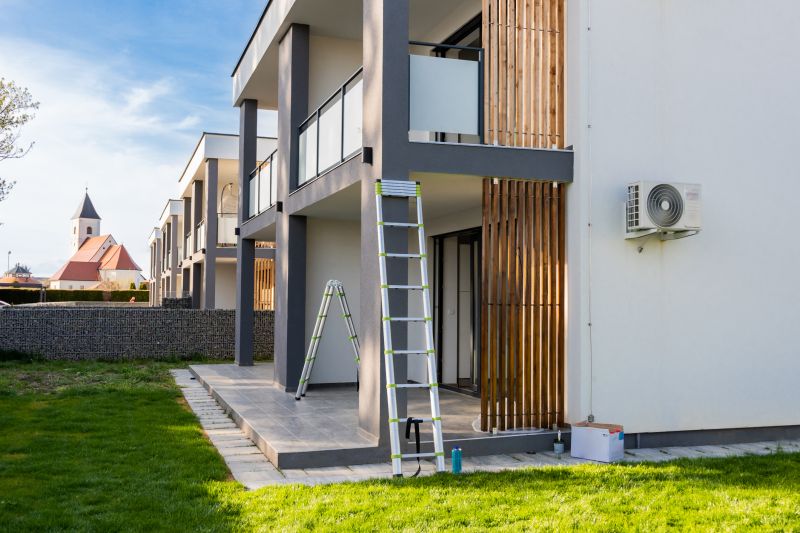
Clearly describe your balcony installation project to effectively compare options, verify experience, and set expectations with local contractors.
- Verify the contractor’s experience with balcony installation projects similar in scope and design. - Ensure the service providers clearly define the scope of work and materials in writing before starting.
- Assess the contractor’s ability to provide detailed project plans and specifications for the balcony installation. - Confirm that local contractors have a proven track record of quality craftsmanship and adherence to safety standards.
- Check references or reviews to gauge the reliability and professionalism of the service providers. - Make sure the scope of work, responsibilities, and expectations are documented and agreed upon in a written contract.
- Ensure the contractor has appropriate insurance coverage to protect against potential damages or liabilities. - Clarify the process for handling unexpected issues or changes during the project.
- Compare multiple local contractors to evaluate their proposed methods, materials, and communication clarity. - Confirm that all project details, including scope, materials, and responsibilities, are explicitly outlined in writing.
Compare local contractors, verify experience, and clearly define scope to ensure successful balcony installations.

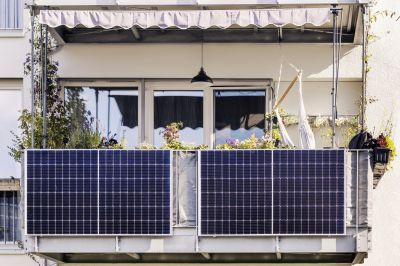


Use consistent comparison criteria across local contractors by clearly defining scope, verifying experience, and setting expectations in writing.
- Scope Definition - Clearly outline the specific tasks and responsibilities involved in the balcony installation project.
- Material Selection - Specify the types of materials to be used and any preferences or requirements for durability and appearance.
- Experience Verification - Confirm that the service providers have relevant experience with balcony installation projects of similar scope.
- Project Specifications - Document detailed measurements, design preferences, and structural requirements to guide the installation process.
- Written Agreement - Ensure all project details, expectations, and responsibilities are documented in a formal scope of work agreement.
When comparing contractors for balcony installation, it is important to evaluate their experience with similar projects. Homeowners should seek service providers who have a proven track record of completing balcony installations comparable in size, style, and complexity to the desired project. Reviewing the types of properties or previous work examples can provide insight into a contractor’s familiarity with different balcony designs and materials, helping to determine if they have the appropriate background for the specific needs of the home.
A clear, written scope of work is essential when assessing potential contractors. This document should outline the specific tasks to be performed, the materials to be used, and the expected deliverables. Having a detailed scope helps prevent misunderstandings and ensures that both parties have aligned expectations. Homeowners are encouraged to request this documentation early in the process and review it carefully, verifying that it covers all aspects of the project to avoid surprises or omissions later on.
Verification basics involve confirming a contractor’s credentials and reputation through reliable sources. Homeowners should seek service providers who can provide references or examples of completed projects, and verify their standing within the local trade community. Checking for any past complaints or disputes through consumer protection agencies can also be a helpful step. While licensing and certification are not part of this guide, ensuring that the contractor’s experience aligns with the project scope and that they have a history of satisfied clients can serve as indicators of their reliability and skill.
Evaluating options without focusing on prices involves examining how well each contractor’s proposal aligns with the project’s scope and your expectations. Consider the clarity of their communication, the thoroughness of their written scope, and their ability to answer questions about their process and experience. It is also beneficial to compare the approaches each service provider proposes for managing the project, materials, and timelines. By focusing on the quality of information and the professionalism demonstrated, homeowners can make informed decisions about which local contractors are best suited to handle the balcony installation.
Ask contractors to provide written scope details to ensure clear expectations and consistent project understanding.
- Experience and Credentials - What specific experience do local contractors have with balcony installation projects similar to yours?
- Scope of Work - How do contractors define and document the scope of the balcony installation to ensure all expectations are clear?
- Materials and Design - What options do local service providers offer for materials and design features, and how are these specified in the project plan?
- Permitting and Regulations - How do contractors handle permitting requirements and ensure compliance with local building codes?
- Warranty and Post-Installation Support - What warranties or guarantees do local pros provide, and how are post-installation issues addressed in writing?
What should I consider when choosing a contractor for balcony installation? It's important to compare the experience of different service providers, review their previous work, and ensure they understand the scope of your project to find a suitable contractor.
How can I verify a contractor's experience with balcony installations? You can ask for references, review their portfolio of past projects, and confirm their familiarity with the specific requirements of balcony construction and design.
What questions should I ask a contractor before hiring for balcony installation? Inquire about their previous experience, the scope of work they handle, the materials they recommend, and how they define project expectations in writing.
Why is it important to define the scope of work in writing? Having a clear, written scope helps set expectations, prevents misunderstandings, and provides a reference for the project's agreed-upon work and responsibilities.
How can I compare different contractors for balcony installation? Review their experience, verify references, ask about their process, and ensure their scope of work aligns with your project needs to make an informed comparison.
What role does communication play when working with a contractor? Effective communication ensures that project details, expectations, and any changes are clearly understood and documented, helping to facilitate a smooth installation process.
By reviewing the information provided, visitors can better understand the importance of clearly defining the scope of their balcony installation project, verifying the experience of potential contractors, and setting expectations in writing. This approach helps ensure a smooth process and aligns project outcomes with personal preferences. Utilizing the quote form allows for easy comparison of local contractors, making it simpler to find service providers who meet specific needs and standards.
Taking the time to compare local contractors through the quote form can help identify experienced service providers capable of handling balcony installations. It’s a practical step toward connecting with professionals who understand the scope of the work and can work within established expectations. Using this tool supports making informed decisions by highlighting options available in the local area, tailored to individual project requirements.