
Compare Local Contractors for Handicap Ramp Installation Services
Compare local contractors for handicap ramp installation to define project scope, verify experience, and establish clear expectations for a successful upgrade.
Handicap ramp installation typically involves designing and constructing accessible pathways that enable individuals with mobility challenges to navigate property entrances safely and comfortably. This work often encompasses assessing the existing terrain, selecting appropriate materials, and ensuring the ramp complies with relevant standards for safety and usability. Contractors may also handle related tasks such as building landings, handrails, and other features that support accessibility, making it essential to clearly define the scope of work beforehand to ensure all necessary components are included and expectations are aligned.
Defining the scope of a handicap ramp project matters because it helps establish clear expectations and prevents misunderstandings between property owners and service providers. A well-outlined scope details the specific tasks involved, the materials to be used, and any additional features or modifications required. This clarity not only aids in selecting the right contractor but also ensures that the work performed meets the property owner’s needs and adheres to safety standards. Documenting the scope in writing can serve as a reference throughout the project, supporting transparency and accountability.
Property owners seeking to compare local contractors for handicap ramp installation should consider their experience with similar projects, the range of services offered, and their reputation within the community. It’s practical to review each contractor’s credentials, verify their familiarity with local building codes, and ask for references or examples of previous work. Comparing how contractors define their scope and what is included can also help identify the most suitable service provider. Focusing on these practical factors can lead to a more informed decision, ensuring the chosen contractor is capable of delivering a safe and functional accessibility solution tailored to the property’s specific requirements.
Compare local contractors by outlining your priorities, verifying experience, and clearly defining project expectations in writing.
- Compare Local Contractors - review multiple service providers to find the best match for handicap ramp installation needs.
- Define Project Scope - clearly outline the requirements and specifications for the ramp to ensure accurate service delivery.
- Verify Experience and Expertise - assess the background of local contractors to confirm their familiarity with handicap ramp installations.
- Set Clear Expectations in Writing - document the scope, materials, and responsibilities to avoid misunderstandings during the project.
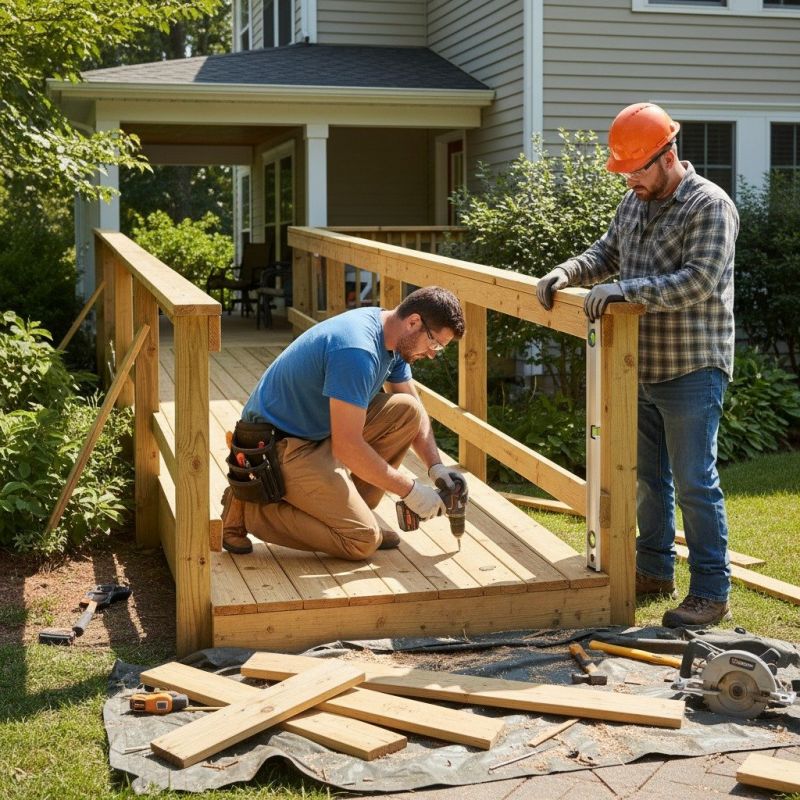
Clearly describe your handicap ramp project before comparing local contractors to ensure accurate scope and expectations.
- Verify that the contractor understands the specific accessibility needs and the scope of the ramp installation. - Ensure the service provider has experience installing ramps that meet relevant accessibility standards and guidelines.
- Compare multiple local contractors to evaluate their expertise, reputation, and scope of services for handicap ramp installation. - Confirm that the contractor can provide a detailed written plan outlining materials, dimensions, and installation process.
- Check that the contractor assesses the site thoroughly to determine the appropriate ramp design and placement. - Make sure the scope of work includes any necessary site modifications or preparations.
- Ensure the contractor provides a clear, written estimate that details the work to be performed and the materials involved. - Confirm that expectations regarding the project scope and deliverables are documented upfront.
- Discuss and agree upon project timelines, including start and completion dates, to prevent misunderstandings later. - Verify that the scope of work includes any relevant permits or inspections required for compliance.
- Request references or examples of previous handicap ramp installations to evaluate the contractor’s experience and quality of work. - Confirm that the service provider is familiar with local building codes and accessibility standards.
Compare local contractors' experience and clarify project scope to ensure successful handicap ramp installation.
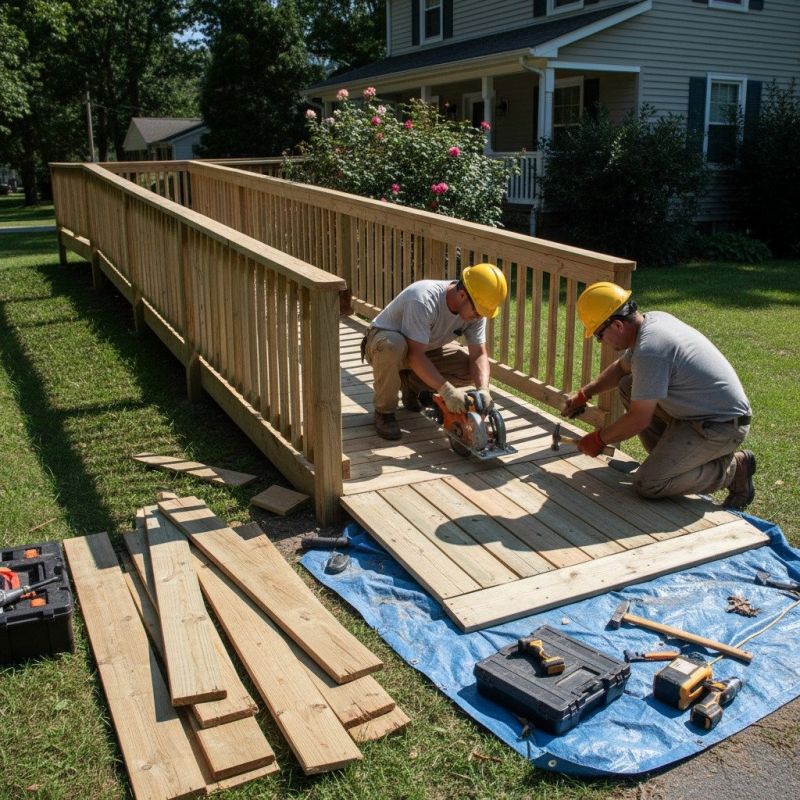
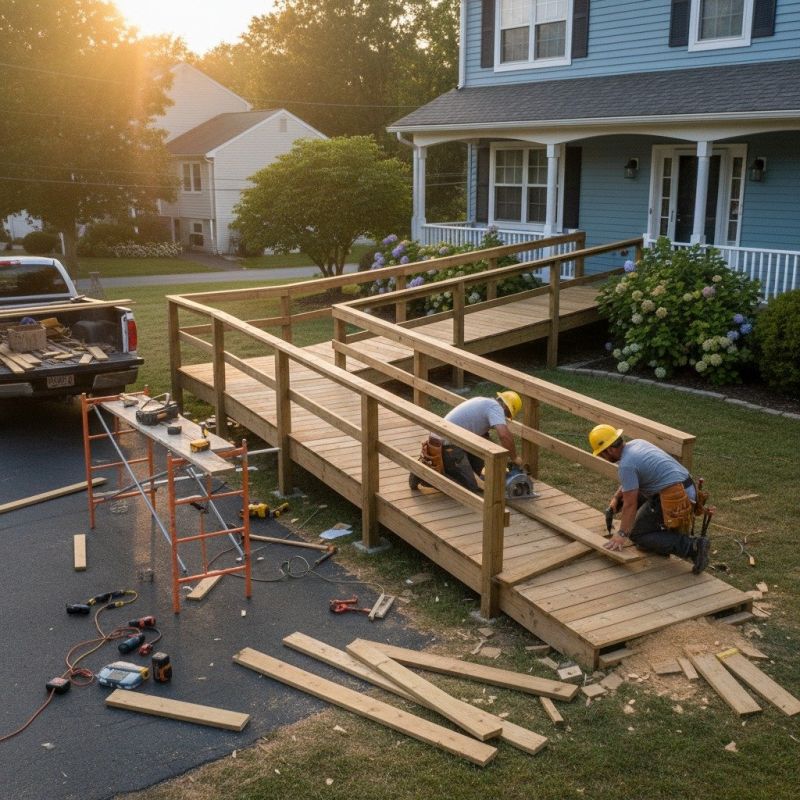

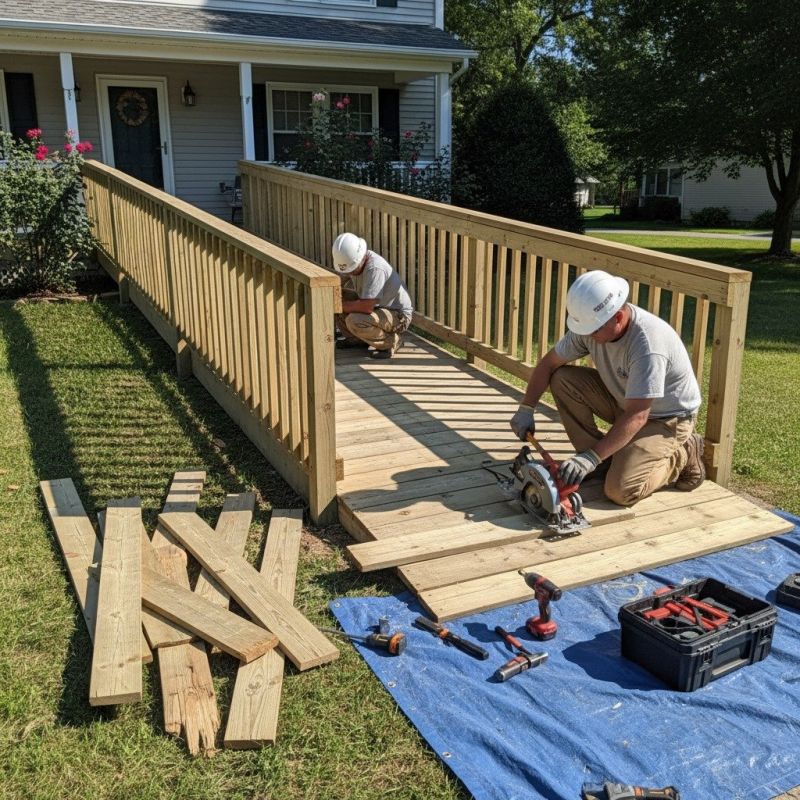
This section helps compare local contractors for handicap ramp installation by defining scope, verifying experience, and setting clear expectations.
- Define the scope of work - clearly outline the specific requirements and features of the handicap ramp installation.
- Verify experience and expertise - ensure local contractors have relevant experience with handicap ramp projects.
- Assess materials and construction methods - determine the types of materials and techniques to be used for durability and compliance.
- Establish project expectations in writing - document the agreed-upon scope, materials, and responsibilities to prevent misunderstandings.
- Compare local service providers - evaluate multiple contractors based on scope, experience, and written proposals to find suitable options.
When comparing contractors for handicap ramp installation, it is essential to consider their experience with similar projects. Homeowners should inquire about the types of ramps they have installed in the past and seek details about projects comparable in scope and complexity. A contractor with a proven track record in accessible modifications can better understand the unique requirements of each property and ensure the installation aligns with safety and usability standards. Verifying a contractor’s history with comparable work helps to establish confidence in their ability to handle specific site conditions and design preferences.
Having a clear, written scope of work is crucial when evaluating different service providers. A detailed description of the project should outline the materials to be used, the dimensions of the ramp, and any additional features such as handrails or landings. This documentation helps prevent misunderstandings and ensures that both parties have aligned expectations. Homeowners should ask contractors to provide a comprehensive scope before proceeding, which serves as a reference point throughout the project and helps facilitate transparent communication.
Verification basics involve confirming that contractors have the necessary experience and understanding of local site conditions. Homeowners can ask for references or examples of completed projects similar to their own. It’s also helpful to verify that the contractor has a thorough knowledge of local building codes and accessibility standards, even if licensing or certification are not explicitly discussed. Checking for consistency in their project history and understanding of site-specific challenges provides insight into their capability to deliver a successful installation.
When evaluating options, homeowners should focus on how well each contractor’s approach and scope align with their needs, rather than solely considering pricing or timelines. Comparing the clarity of written proposals, the level of detail provided, and the contractor’s responsiveness can reveal their professionalism and commitment to quality. Asking questions about their process for assessing site conditions and customizing solutions can help determine if a contractor is attentive to individual requirements. This approach ensures that homeowners select service providers who prioritize clear communication and tailored solutions for handicap ramp installation.
Ask contractors to provide written scope details to ensure clear expectations and consistent project understanding.
- Experience and Qualifications - What relevant experience and background do local contractors have with handicap ramp installations?
- Scope of Work - How do contractors define the scope of the project to ensure all accessibility needs are addressed?
- Materials and Design - What options do service providers offer for materials and ramp designs to meet specific requirements?
- Scope Clarification - How can the scope of work be clearly outlined and agreed upon in writing before starting the project?
- Comparison Criteria - What factors should be considered when comparing different local contractors' approaches to scope and service quality?
What should I consider when choosing a contractor for handicap ramp installation? It’s important to compare local contractors based on their experience, reputation, and the scope of services they offer. Verifying their background and reviewing past work can help ensure they meet your specific needs.
How can I define the scope of my handicap ramp project? Clearly outline the desired features, dimensions, and any accessibility requirements. Communicating these details upfront helps contractors understand your expectations and provide accurate proposals.
Why is it important to verify a contractor’s experience with handicap ramps? Experienced contractors are more familiar with building codes, safety standards, and best practices, which can contribute to a successful and compliant installation.
What questions should I ask contractors before hiring for handicap ramp installation? Inquire about their previous projects, methods, materials used, and how they handle specific accessibility needs. This can help assess their suitability for your project.
How can I ensure the scope of work is clearly defined with a contractor? Request a detailed written agreement that specifies all aspects of the project, including materials, dimensions, and responsibilities, to prevent misunderstandings later.
What is the best way to compare different contractors for handicap ramp installation? Review their experience, references, project scope, and written proposals to evaluate which service providers best match your requirements and expectations.
This page has highlighted the importance of understanding the scope of handicap ramp installation projects, verifying the experience of local contractors, and setting clear expectations in writing. By comparing different service providers, visitors can find options that align with their specific needs and preferences, ensuring a smooth and informed decision-making process. Utilizing the quote form allows for straightforward access to local contractors who can handle the job efficiently and professionally.
To make the best choice, consider using the quote form to connect with nearby service providers. This enables a side-by-side comparison of local contractors, helping to clarify the scope of work and confirm that expectations are documented. Taking these steps can support a well-informed selection process for handicap ramp installation services.