
Compare Local Contractors for Mobility Ramp Installation Services
Compare local contractors for mobility ramp installation to define project scope, verify experience, and set clear expectations in writing for a successful upgrade.
Mobility ramp installation projects typically involve the design, construction, and placement of ramps that provide accessible entry points for individuals with mobility challenges. This work can include assessing the property’s layout, selecting appropriate materials, and ensuring the ramp complies with relevant standards and safety considerations. Contractors may also handle related tasks such as site preparation, foundation work, and finishing touches to create a smooth, durable, and functional accessible pathway that seamlessly integrates with existing structures.
Clearly defining the scope of a mobility ramp installation is essential to ensure the project meets specific needs and expectations. Property owners should work with local contractors to identify key factors such as the desired ramp length, incline, surface material, and any additional features like handrails or landings. Documenting these details in writing helps prevent misunderstandings, facilitates accurate communication, and provides a reference point throughout the project. A well-defined scope also assists in verifying that the contractor has relevant experience and understands the requirements for a successful installation.
When comparing local contractors for mobility ramp installation, property owners should consider factors such as experience with similar projects, reputation within the community, and the services they offer. Checking references or reviews can provide insights into the quality of work and professionalism. It’s also important to verify that the contractor understands the scope of the project and can deliver according to the outlined specifications. By asking detailed questions and requesting written proposals or estimates, property owners can make informed decisions and select service providers who are best suited to meet their accessibility needs.
Compare local contractors by outlining your priorities, verifying experience, and clearly defining project expectations in writing.
- Compare Contractor Experience - Review the backgrounds of local contractors to ensure they have relevant experience with mobility ramp installations.
- Define Project Scope - Clearly outline the specific requirements and expectations for the ramp installation before work begins.
- Verify Credentials and References - Check references and verify past work to assess the reliability of local service providers.
- Document Agreements in Writing - Ensure all project details, scope, and expectations are confirmed through written agreements.
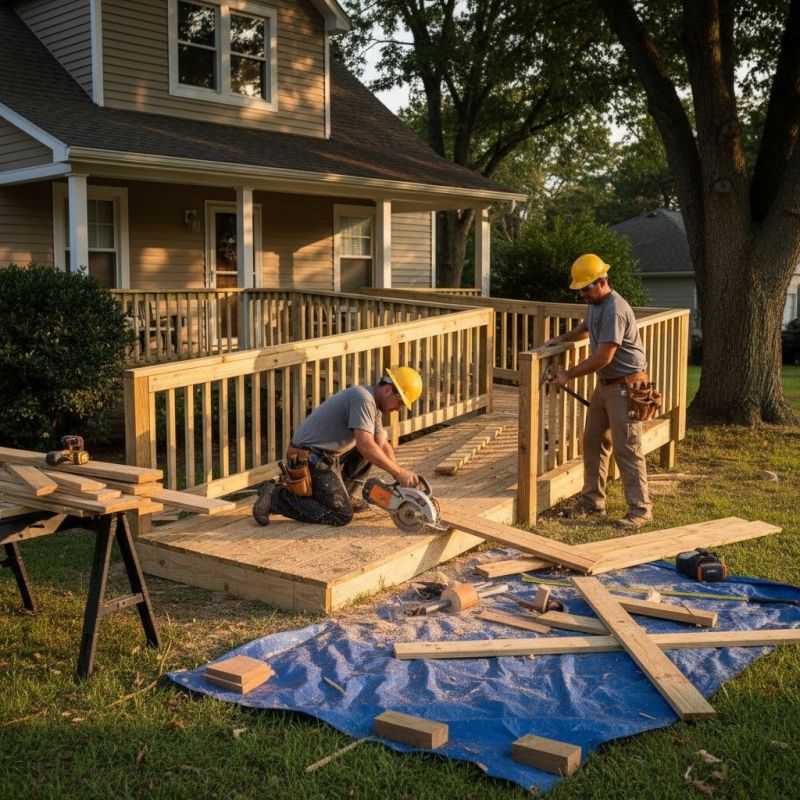
Clearly describe your mobility ramp installation project to effectively compare contractors, verify experience, and set clear expectations in writing.
- Verify that the contractor has experience with mobility ramp installations similar to the project scope. - Ensure the service provider can clearly define the scope of work and materials involved.
- Check that the contractor provides a detailed written estimate outlining the work to be performed. - Confirm that expectations and responsibilities are clearly documented before work begins.
- Assess the contractor’s ability to adhere to local building codes and accessibility standards. - Ask for proof of familiarity with relevant regulations to ensure compliance.
- Ensure the contractor offers a comprehensive plan for site assessment and preparation prior to installation. - Clarify how they will evaluate the site and prepare the area for the ramp.
- Determine if the service provider has a process for obtaining necessary permits or approvals if required. - Confirm whether they handle permit acquisition or advise on necessary documentation.
- Compare multiple local contractors to evaluate their communication, professionalism, and clarity in outlining project details. - Use consistent criteria to select a provider that aligns with project needs and expectations.
Compare local contractors’ experience and clarify project scope to ensure successful mobility ramp installation.
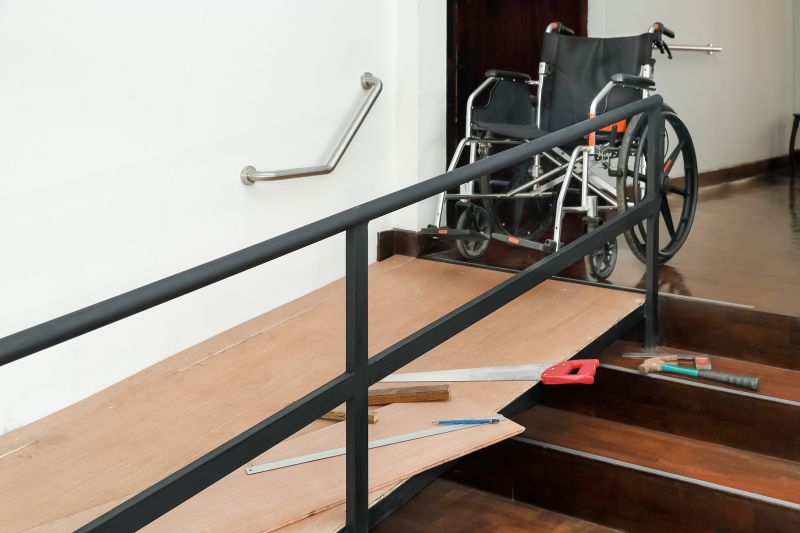
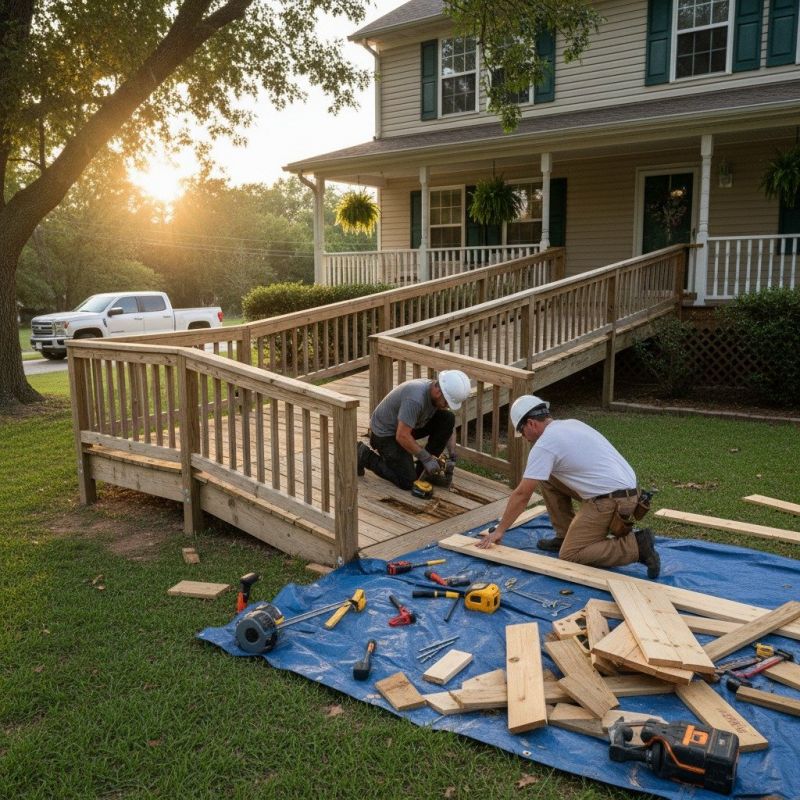
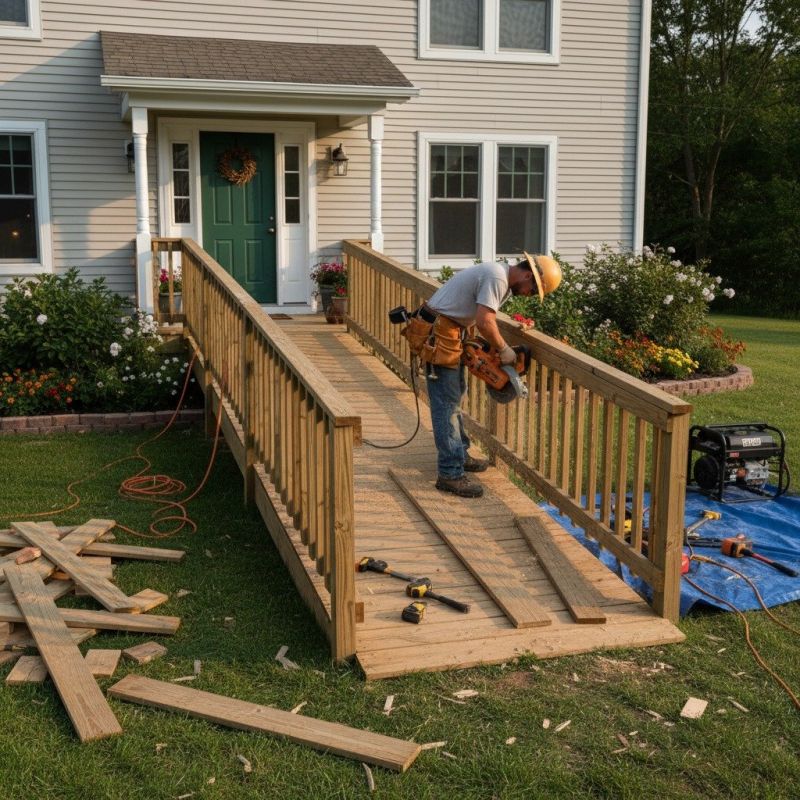
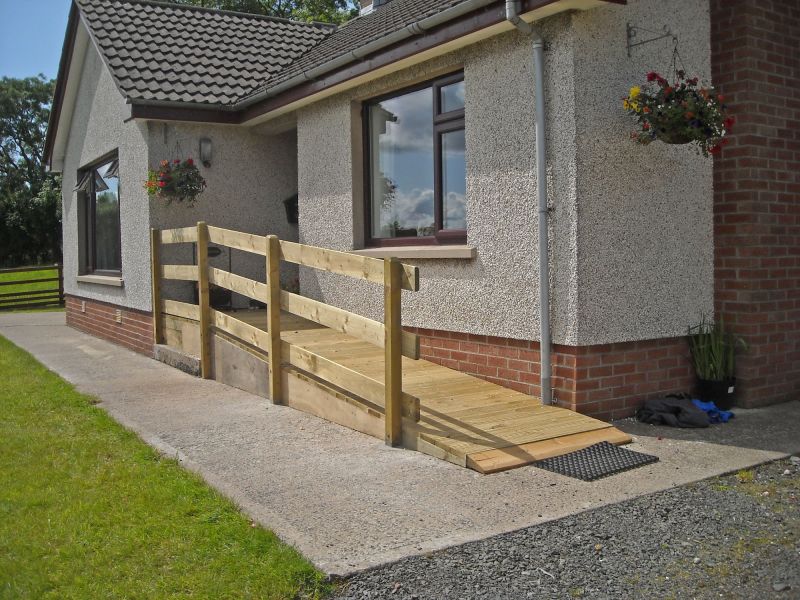
When comparing contractors for mobility ramp installation, ensure consistent scope definitions, experience verification, and clear written expectations.
- Scope Definition - Clearly outline the specific requirements and dimensions for the mobility ramp installation.
- Experience Verification - Confirm that local contractors have relevant experience with mobility ramp projects.
- Material Selection - Specify the types of materials to be used and ensure they meet accessibility standards.
- Installation Requirements - Define site preparation, structural support, and safety considerations for the ramp.
- Written Agreement - Ensure all project details, expectations, and responsibilities are documented in a formal agreement.
When comparing contractors for mobility ramp installation, it is essential to evaluate their experience with similar projects. Homeowners should inquire about the types of ramps they have installed in the past and whether they have worked with properties similar to their own. A contractor’s familiarity with different ramp designs, materials, and site-specific challenges can influence the quality and durability of the installation. Ensuring that a service provider has a history of completing comparable projects can help establish confidence in their ability to meet specific needs.
A clear, written scope of work is a critical component in selecting a contractor. This document should outline the specific tasks involved, including measurements, materials to be used, and any preparatory or finishing work. Having a detailed scope helps prevent misunderstandings and ensures that both parties agree on the expectations for the project. Homeowners are encouraged to review and clarify the scope before any work begins, making sure it accurately reflects the desired outcome and covers all necessary aspects of the installation.
Verification basics involve confirming a contractor’s ability to deliver quality work through their experience and reputation. Homeowners can ask for references or examples of completed projects similar to theirs. Additionally, checking whether the contractor has a consistent track record of successful installations can provide reassurance. It’s also helpful to verify that the contractor understands local building codes and standards relevant to ramp installations, as this can impact the safety and compliance of the finished project.
Evaluating options without focusing on prices involves considering the professionalism and transparency of each service provider. Homeowners should assess how well contractors communicate and whether they provide detailed proposals or written estimates that include scope and materials. Comparing the clarity of their explanations, responsiveness to questions, and willingness to document the project details can help identify the most reliable and organized options. This approach ensures that the selection process emphasizes quality, experience, and clear expectations, leading to a more satisfactory outcome.
Ask contractors to provide written scope details to ensure clear expectations and consistent project understanding.
- Experience and Qualifications - What relevant experience and background do local contractors have with mobility ramp installation?
- Scope of Work - How do contractors define and outline the specific services included in the ramp installation project?
- Materials and Design - What options for materials and ramp designs do service providers recommend for different accessibility needs?
- Project Expectations - How do local contractors clarify the scope, responsibilities, and deliverables in writing before starting work?
- Comparison Criteria - What factors should be considered when comparing different contractors’ approaches to scope and service quality?
How can I compare contractors for mobility ramp installation? To compare contractors, review their experience, verify references, and assess their ability to meet your specific needs. Gathering multiple quotes and checking their scope of work can help in making an informed decision.
What should I clarify when defining the scope of a mobility ramp project? Clearly outline the type of ramp, dimensions, location, and any accessibility features required. Providing detailed information helps contractors deliver accurate proposals and ensures expectations are aligned.
How can I verify a contractor’s experience with mobility ramp installations? Ask for examples of previous work, request references, and review any available portfolios. Confirming their familiarity with similar projects can help ensure quality and expertise.
What is important to include in a written agreement with a contractor? The contract should specify the scope of work, materials to be used, project specifications, and any agreed-upon terms. Having everything documented helps prevent misunderstandings.
How do I ensure a contractor understands my accessibility needs? Communicate your requirements clearly and ask how they plan to address specific accessibility considerations. Confirm that they can accommodate any unique features or constraints of your space.
Why is it helpful to ask contractors about their process for mobility ramp installation? Understanding their approach can reveal their experience, attention to detail, and ability to follow safety standards, which can influence the quality of the completed project.
Contractors for mobility ramp installation offer a range of services to help meet accessibility needs. Visitors to this page have learned how to compare local service providers by defining the scope of work, verifying experience, and setting clear expectations in writing. This approach can help ensure that the project aligns with specific requirements and preferences, making it easier to find the right contractor for the job.
To explore options and connect with qualified local contractors, using the quote form is recommended. This simple step allows for straightforward comparisons among available service providers, helping to identify the best fit based on individual needs and project details.